The Transformation of Golf Carts: 2020-2025
The golf cart industry has undergone remarkable transformations from 2020 to 2025. What was once simply a vehicle for golf courses has evolved into a versatile mode of transportation, especially in communities, resorts, and urban environments. This article explores the key developments that have shaped the industry over the past five years.

Electric Revolution
Perhaps the most significant change has been the shift from gas-powered to electric golf carts. By 2025, over 80% of new golf carts sold are electric. This transition was driven by several factors:
- Environmental concerns: Electric carts produce zero emissions, making them eco-friendly options for communities prioritizing sustainability.
- Lower operating costs: Electricity is cheaper than gasoline, and electric motors require less maintenance than internal combustion engines.
- Quiet operation: Electric carts offer a peaceful ride without the noise pollution associated with gas-powered vehicles.

Advanced Battery Technology
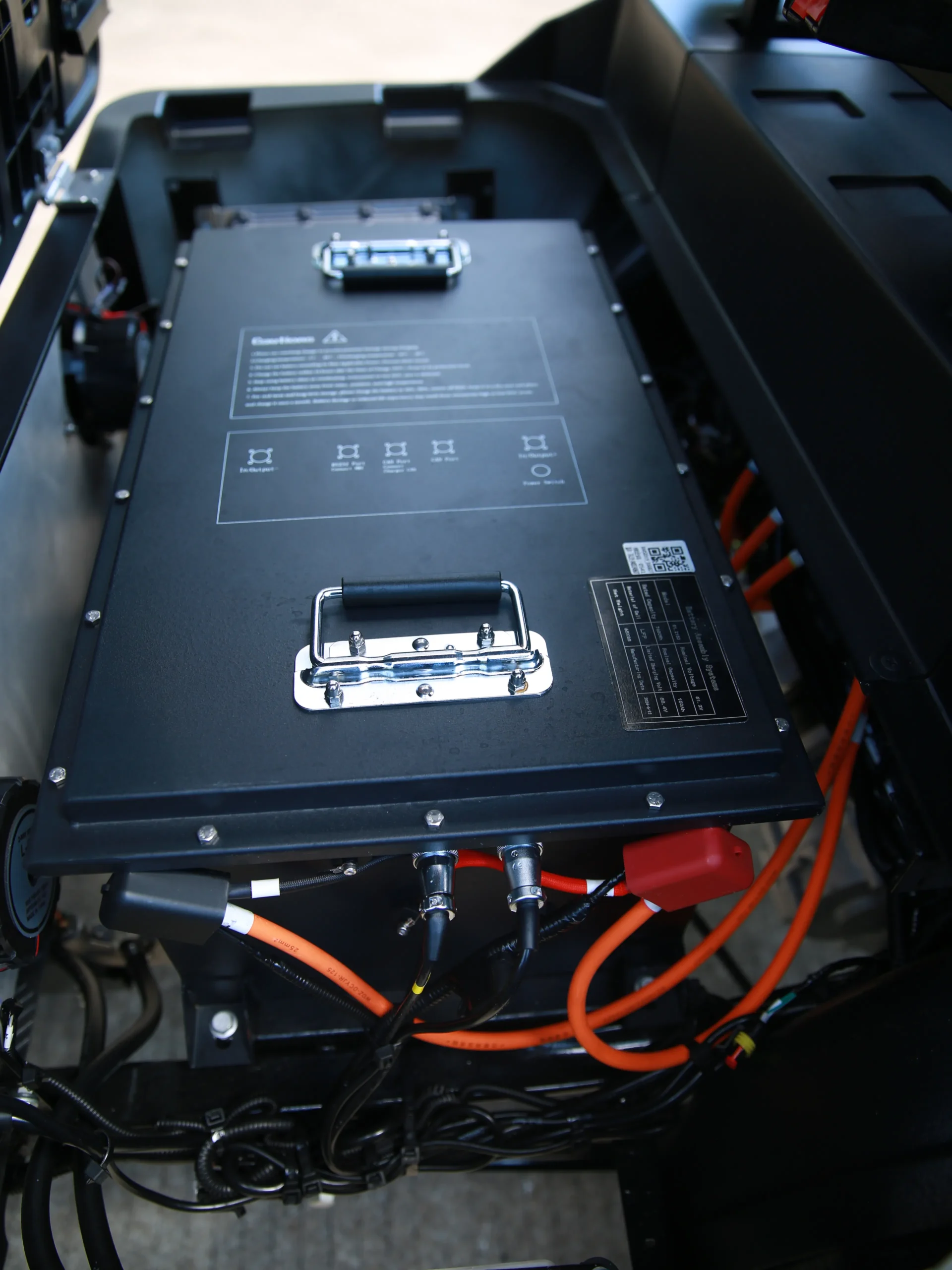
Battery technology has seen dramatic improvements. Lithium-ion batteries have become the standard, offering longer range up to 80 miles on a single charge, faster charging times as little as 2-4 hours, longer lifespan 8-10 years with proper care, and lightweight design improving overall cart performance.

Smart Features and Connectivity
Modern golf carts now come equipped with advanced technology including GPS navigation for large properties, mobile apps for remote monitoring, USB charging ports for devices, and digital displays showing speed, distance, and battery information.

Autonomous Driving Features
The industry has also seen the introduction of semi-autonomous features including self-driving capabilities for golf course maintenance, follow-me mode where the cart follows the player, auto-stop technology for safety, and park-assist features.

Design Innovations
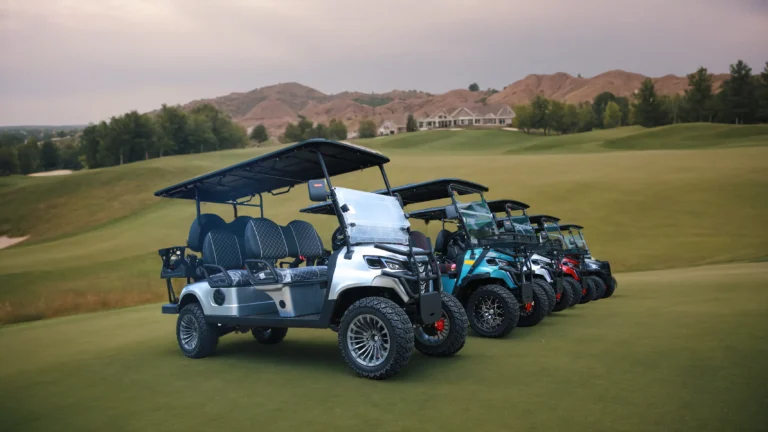
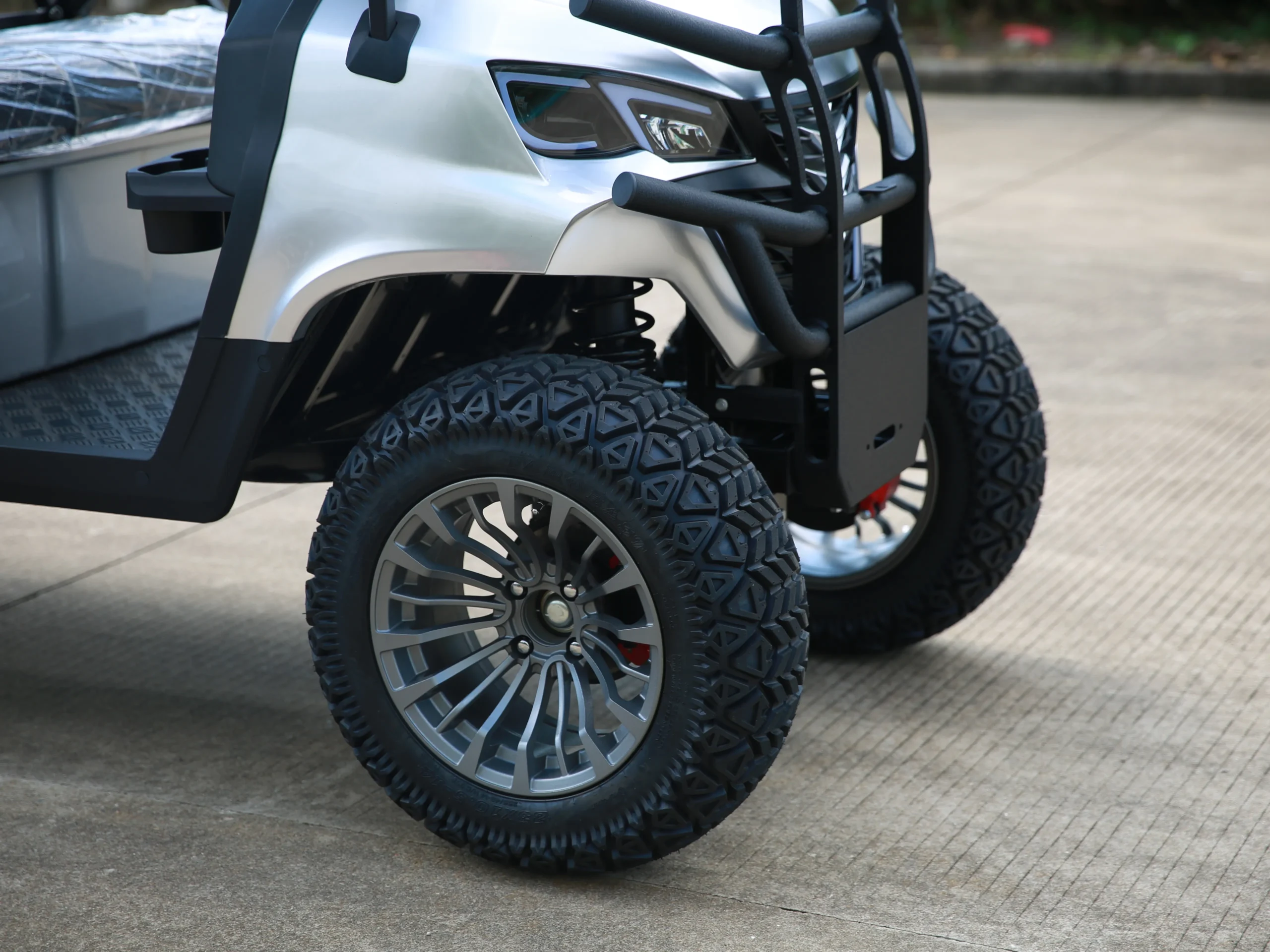
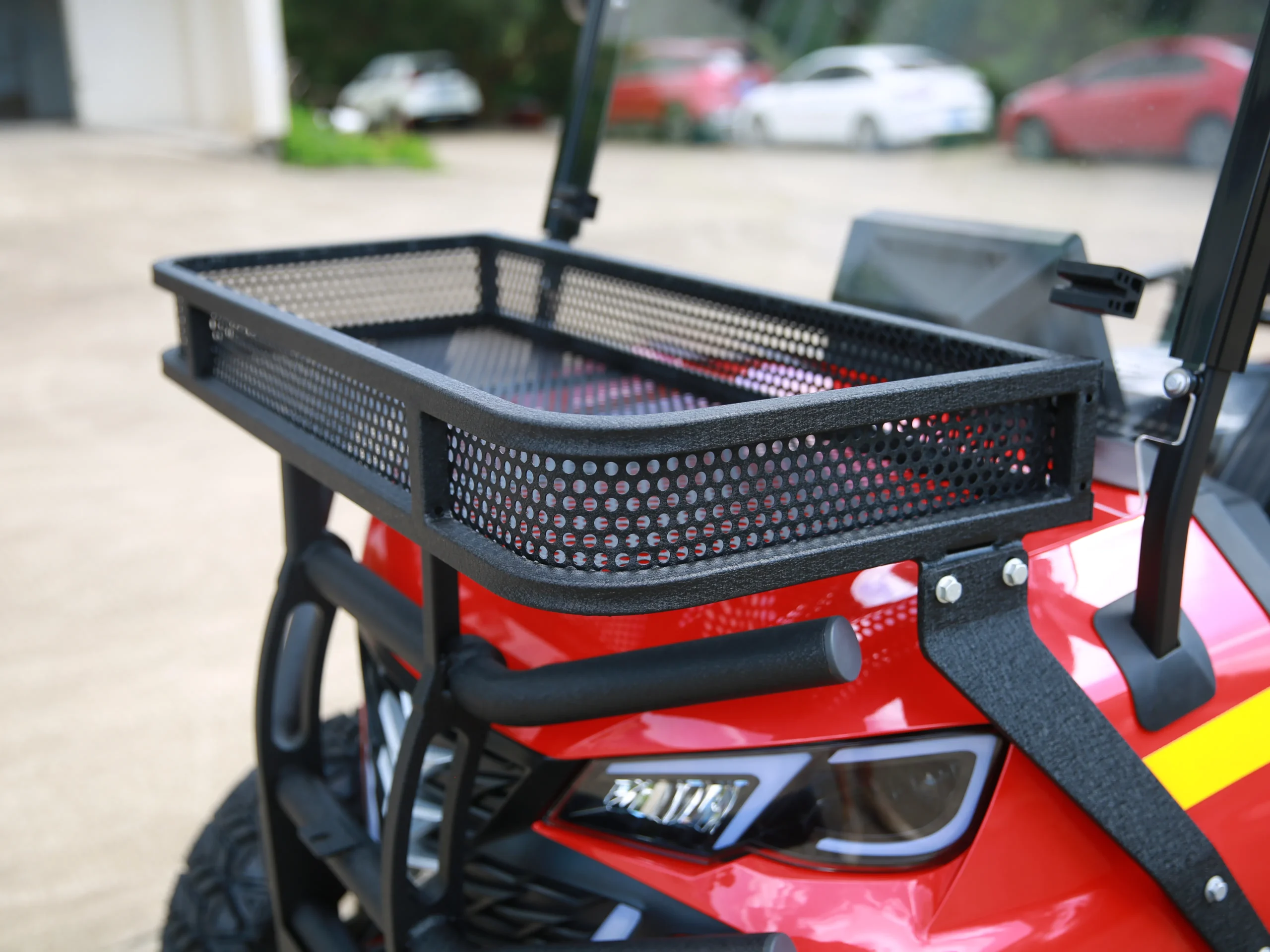
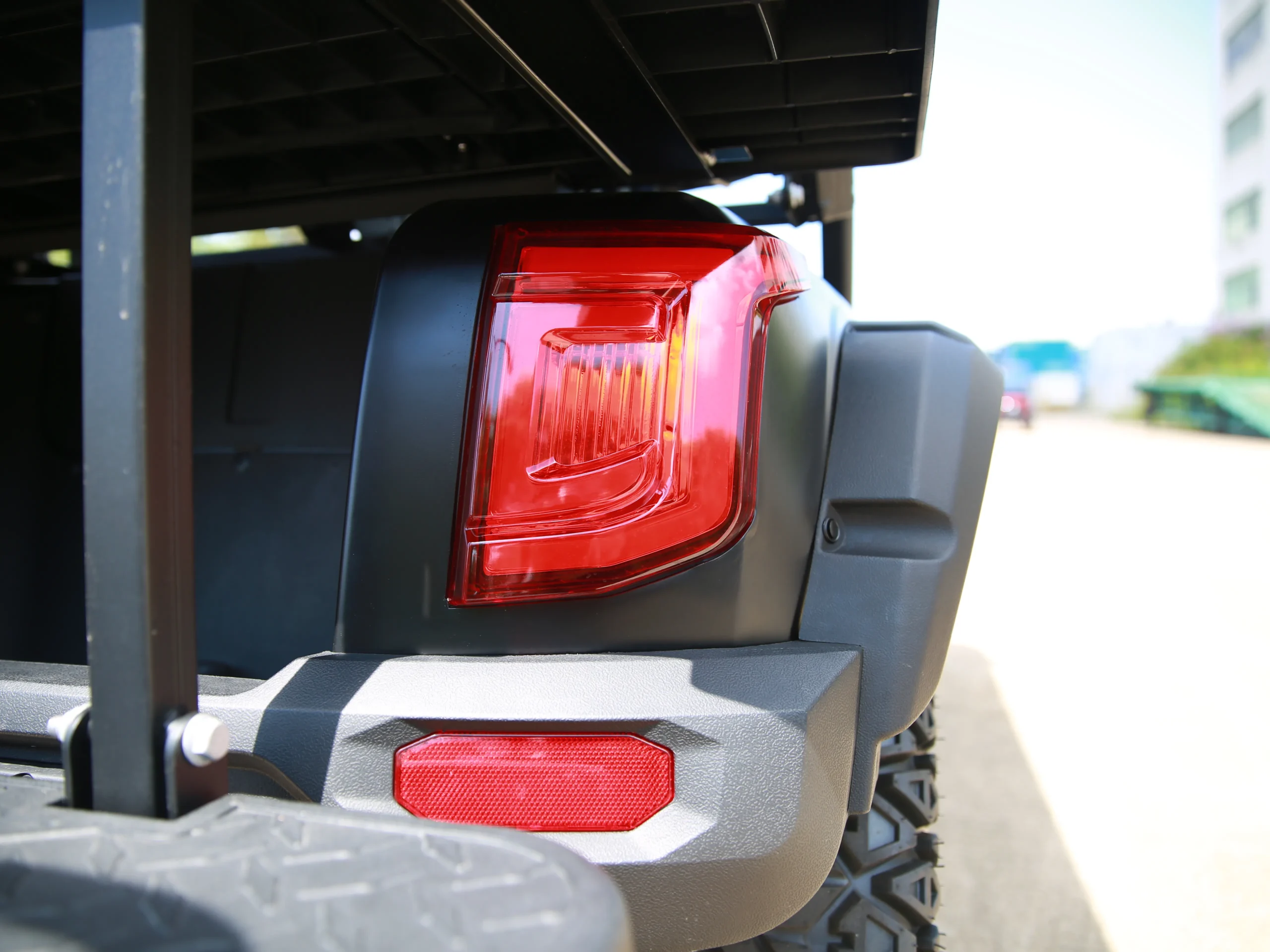
Design has evolved to meet diverse needs with more comfortable seating, weather-protected enclosures, customizable color options, increased storage capacity, and improved suspension systems.
Regulatory Changes
Many regions have updated regulations including expanded street-legal designations, dedicated lanes in certain communities, insurance requirements, and updated safety standards.

Market Growth
The golf cart market has expanded significantly with residential community usage growing by 45%, increased resort applications, urban last-mile transportation solutions, and commercial fleet adoptions.

Future Outlook
Looking ahead, the industry continues to innovate with solar-powered charging options, enhanced AI-driven features, and sustainable materials in manufacturing.

Conclusion
The evolution of golf carts from 2020 to 2025 represents a remarkable journey of technological advancement, environmental consciousness, and diversified applications. Whether for golf, community living, or urban mobility, golf carts have established themselves as a practical and sustainable transportation solution.